

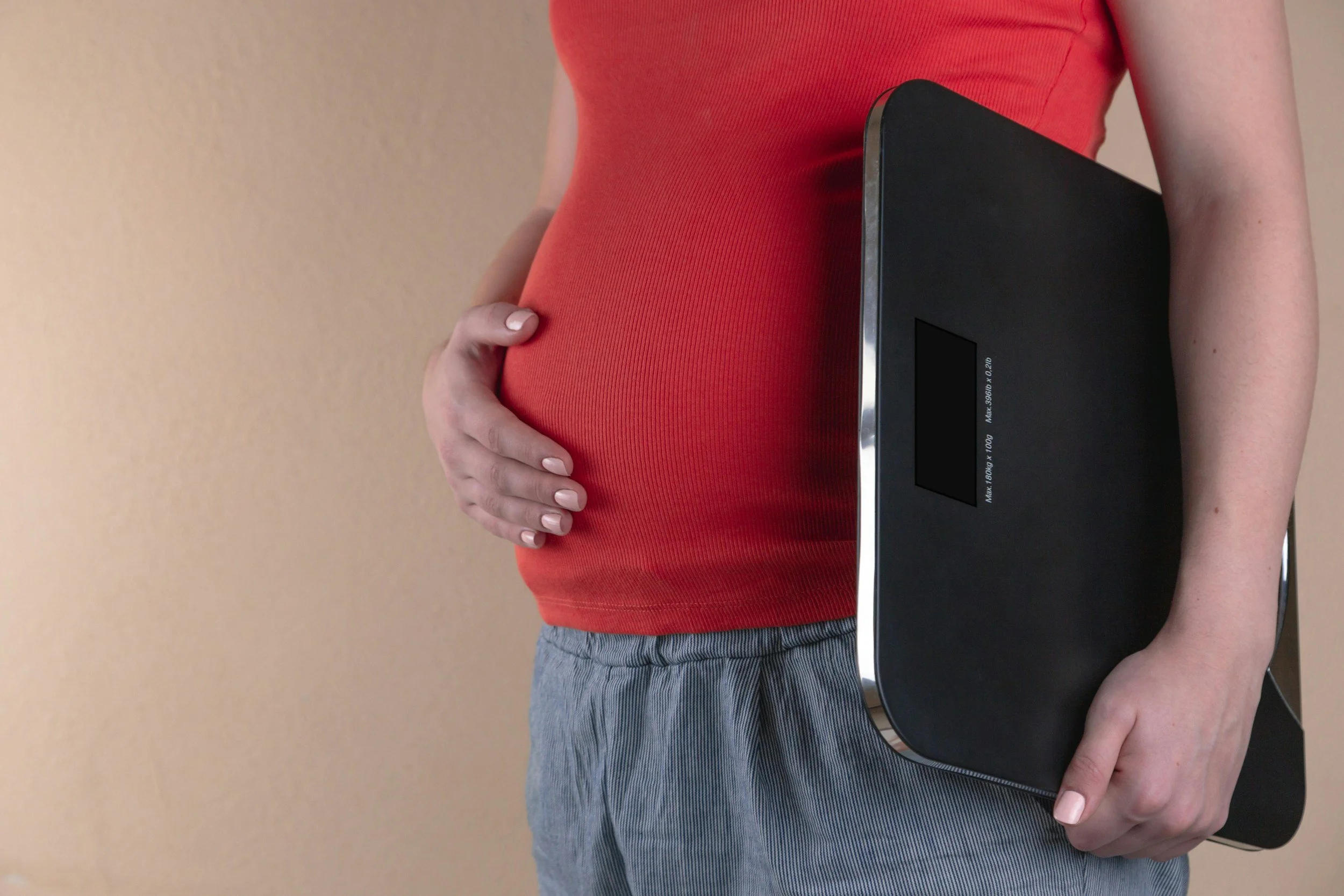
If you are going through IVF, you have likely heard the acronym: OHSS.
It can be a serious complication of fertility treatment. But here is the good news: severe OHSS is now rare thanks to modern protocols. Knowing what to look for, how to prevent it, and when to call your doctor is the difference between a minor inconvenience and a medical emergency.
What exactly is OHSS?
Ovarian Hyperstimulation Syndrome is an exaggerated response to the fertility medications (injectable hormones like hCG or FSH) used to grow multiple eggs.
Normally, your ovaries are the size of a walnut. During stimulation, they can swell to the size of an orange or even a grapefruit. In OHSS, the ovaries become large, tender, and—most importantly—they cause the body to retain fluid in your abdomen. This causes bloating, discomfort, and (in severe cases) dangerous shifts in electrolytes and kidney function.
Who is most at risk?
Certain patients have a higher chance of developing OHSS:
PCOS (Polycystic Ovary Syndrome).
Younger women (under age 35)
Women with low body weight
Those with very high estradiol levels (over 5,000 pg/mL on trigger day)
Those who produce a high number of eggs (over 25)
The Three Levels: Mild, Moderate, and Severe
Mild OHSS (majority of cases)
Mild bloating and abdominal pressure
Nausea
Slight temporary weight gain (2-3 lbs) due to fluid retension
The fix: Rest, electrolyte drinks, and waiting for your period.
Moderate OHSS
Noticeable abdominal distention
Mild shortness of breath
Nausea or vomiting
Pain when walking or bending
The fix: Outpatient monitoring, prescription pain relief, and close contact with your clinic.
Severe OHSS (Less than 1% of IVF cycles)
Rapid weight gain (over 2 lbs per day)
Severe pain
Severe shortness of breath (can't lie flat)
Decreased urination or dark urine
Blood clots (rare but serious)
The fix: Hospitalization, IV fluids, medication, and draining fluid from the belly.
Prevention Strategies
The single best way to avoid severe OHSS? Don't get pregnant right now.
Here is the counterintuitive truth: Pregnancy prolongs OHSS. This is because the pregnancy hormone (hCG) reignites the syndrome.
If you are at high risk, your doctor will likely recommend:
Trigger – You may need to trigger with a medication called Lupron and minimize the dose of hCG
Freeze all Embryos – You wait 4-6 weeks for your ovaries to calm down before scheduling a frozen embryo transfer (FET)
Blood Thinners and Hydration – these can mitigate the risks of complications associated with OHSS.
What to do RIGHT NOW if you're in the "two-week wait"
Do this:
✅ Drink electrolytes. Think Gatorade, Nuun tablets, coconut water, or electrolyte popsicles. Plain water actually makes the bloating worse
✅ Eat salty, protein-rich foods. Broth, pretzels, eggs, chicken soup. Salt helps keep fluid in your blood vessels, not your abdomen.
✅ Monitor your weight. Weigh yourself every morning. A jump of 3+ lbs in 24 hours = call your doctor.
✅ Monitor your urine output. You should pee every 4-6 hours. If it is dark or infrequent call your doctor.
Avoid this:
❌ No strenuous activity. Twisting or heavy lifting can cause an enlarged ovary to twist (ovarian torsion—a surgical emergency).
❌ No sex. until you are cleared.
❌ No ibuprofen or NSAIDs (unless your doctor says it's okay).
❌ No lying completely flat if you are short of breath.
The "Call Your Doctor Immediately" List
These are non-negotiable. If you have even one of these, pick up the phone right now:
You cannot keep down fluids for more than 12 hours
You have not urinated in 8+ hours or your urine is dark in color
You gain 3+ lbs in 24 hours
You are short of breath at rest or cannot sleep lying down
You have severe, worsening pain
The Bottom Line
Risks of OHSS can be mitigated in most cases. If you do get moderate OHSS, it is miserable—but temporary. It will resolve by your next period (or with medical treatment). You have survived harder things than this. And you have a team, a plan, and this checklist to guide you.
Breathe. Drink the Gatorade. Call your nurse. And be kind to yourself.
Disclaimer: This post is for educational purposes and does not replace medical advice. Always consult your fertility specialist for personal medical guidance.